
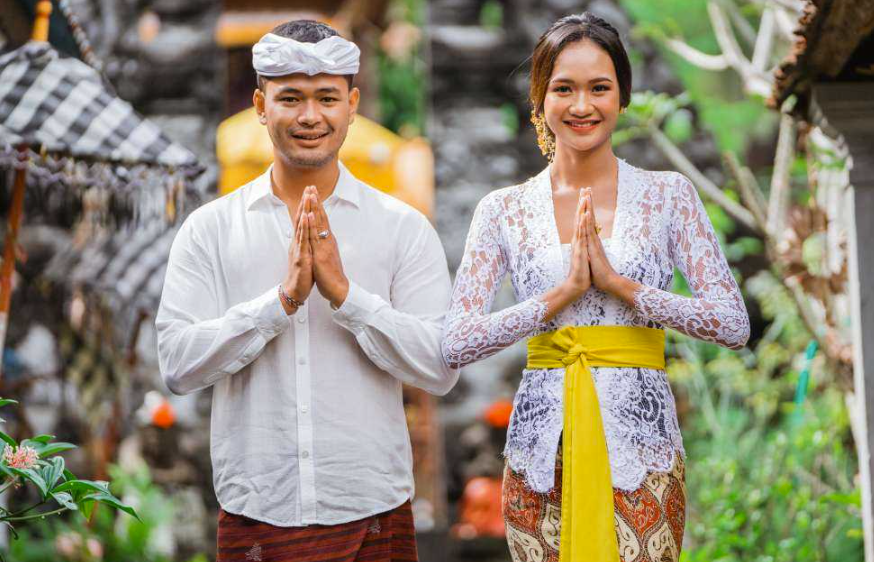
Indonesian Traditional Ceremonies Meaning & Philosophy
Indonesia is a country of remarkable cultural diversity, where traditional ceremonies remain an essential part of everyday life. With thousands of islands and hundreds of ethnic communities, Indonesia has developed a rich collection of rituals, celebrations, and spiritual practices that reflect its history, beliefs, and social values. These traditions are not simply colorful events or cultural performances. They carry deep meanings connected to family relationships, respect for ancestors, harmony with nature, and the spiritual understanding of human existence.
Understanding Indonesian traditional ceremonies meaning and philosophy provides an opportunity to explore the values that have shaped Indonesian society for generations. From elaborate Balinese religious celebrations to traditional Javanese rituals and ancestral ceremonies in Sulawesi, each tradition offers a unique perspective on life, community, and cultural identity.
Through discoverindonesianow, travelers and cultural enthusiasts can gain a deeper appreciation of Indonesia’s living traditions and the philosophies that continue to influence communities across the archipelago.
The Cultural Importance of Indonesian Traditional Ceremonies
Traditional ceremonies in Indonesia represent a connection between the past and the present. Many rituals have been practiced for centuries, although their forms and meanings have evolved through changing social, religious, and historical influences.
Indonesia is home to diverse religious communities, including Muslims, Hindus, Christians, Buddhists, and followers of various indigenous belief systems. This diversity contributes to the development of ceremonies that combine local customs with religious teachings.
See also: discoverindonesianow
Traditional Ceremonies as a Form of Cultural Identity
For many Indonesian communities, traditional ceremonies are a way of expressing collective identity. They preserve local languages, clothing, music, dance, and artistic traditions that might otherwise disappear over time.
Ceremonies also provide opportunities for younger generations to learn about their cultural heritage. Children often participate alongside parents and grandparents, observing the customs and responsibilities associated with significant life events.
The Relationship Between Tradition and Spirituality
Spiritual beliefs play an important role in many Indonesian traditional ceremonies. Depending on the community, rituals may involve prayers, offerings, blessings, symbolic objects, or expressions of gratitude.
Some ceremonies emphasize relationships with ancestors, while others focus on seeking divine protection, celebrating natural cycles, or maintaining harmony within society.
These practices reflect the understanding that human life is connected to responsibilities extending beyond individual interests.
The Philosophy Behind Indonesian Traditional Ceremonies
The philosophy of Indonesian traditional ceremonies cannot be reduced to a single belief system. Every ethnic community has its own interpretation of spiritual life, social responsibilities, and the relationship between people and their environment.
However, several recurring values help explain why these ceremonies remain meaningful.
Harmony Between Humans, Nature, and Spiritual Life
Harmony is an important concept in many Indonesian cultural traditions. Ceremonies frequently express gratitude for natural resources, recognize the importance of agricultural cycles, and encourage responsible relationships with the environment.
In Bali, the philosophy of Tri Hita Karana emphasizes three sources of well-being: harmonious relationships with the divine, with other people, and with the natural world.
This philosophy influences Balinese community life, religious practices, and approaches to maintaining social and environmental balance.
Respect for Ancestors and Family Heritage
Ancestral respect is another significant element of Indonesian ceremonial traditions. Many communities believe that remembering previous generations strengthens family identity and preserves cultural continuity.
Ancestral ceremonies may involve prayers, family gatherings, symbolic offerings, or the maintenance of traditional burial places.
These customs demonstrate the importance of gratitude, remembrance, and responsibility toward previous generations.
Community Cooperation and Shared Responsibility
Indonesian society places considerable value on gotong royong, a cultural principle commonly associated with mutual assistance and collective cooperation.
Traditional ceremonies often require extensive preparation involving relatives, neighbors, and community members.
People may contribute food, decorations, labor, music, or organizational assistance. This cooperation reinforces relationships and reflects the belief that important responsibilities should be shared.
Balinese Traditional Ceremonies and Their Spiritual Meaning
Bali is internationally recognized for its distinctive Hindu traditions and elaborate religious ceremonies. Temples, offerings, processions, and ritual performances remain visible parts of cultural life across the island.
Balinese ceremonies are closely connected to religious calendars, community obligations, family traditions, and spiritual beliefs.
Nyepi: The Balinese Day of Silence
Nyepi is one of Bali’s most important religious observances. It marks the Balinese Saka New Year and is associated with reflection, purification, and spiritual renewal.
During Nyepi, the island observes a period of silence and restricted activity. The traditional observances include avoiding unnecessary travel, work, entertainment, and artificial light.
For practicing Balinese Hindus, these restrictions create an opportunity for self-examination and spiritual discipline.
The Philosophy of Nyepi
Nyepi encourages individuals to temporarily withdraw from everyday distractions and reflect on their actions, responsibilities, and relationship with the surrounding world.
The ceremony emphasizes inner balance, self-control, and the importance of beginning a new year with a renewed spiritual perspective.
The days surrounding Nyepi may also involve purification ceremonies and community activities, including Ogoh-Ogoh processions in many localities.
Galungan and Kuningan Celebrations
Galungan is an important Balinese Hindu festival associated with the victory of dharma, or righteousness, over adharma, or unrighteousness.
During Galungan, families participate in prayers, prepare offerings, and decorate their surroundings with penjor, tall ornamental bamboo poles commonly placed along roads and outside homes.
Kuningan occurs ten days after Galungan and marks the conclusion of this festive period.
The Meaning of Galungan and Kuningan
These celebrations highlight the importance of spiritual awareness, ethical conduct, and maintaining connections with family and ancestral traditions.
They also encourage communities to recognize the role of goodness, discipline, and religious responsibility in everyday life.
Ngaben: The Balinese Cremation Ceremony
Ngaben is a traditional Balinese Hindu cremation ceremony that holds important religious and cultural significance.
The ceremony is associated with releasing the soul from its physical body and supporting its spiritual journey according to Balinese Hindu beliefs.
Depending on family circumstances and local customs, Ngaben may involve elaborate structures, processions, prayers, and community participation.
The Philosophy Behind Ngaben
Ngaben reflects the understanding that physical existence is temporary and that death forms part of a larger spiritual cycle.
Rather than focusing only on loss, the ceremony expresses the importance of fulfilling religious responsibilities toward the deceased.
It also demonstrates the close relationship between family obligations, community cooperation, and spiritual beliefs.
Javanese Traditional Ceremonies and Their Cultural Philosophy
Java has developed numerous traditional ceremonies influenced by indigenous customs, Hindu-Buddhist history, Islamic teachings, and local philosophical traditions.
Javanese ceremonies often emphasize social harmony, modesty, family relationships, and symbolic expressions of gratitude.
Sekaten: A Celebration of Religious and Cultural Heritage
Sekaten is a traditional celebration associated with the commemoration of the birth of the Prophet Muhammad.
It is particularly associated with the royal courts of Yogyakarta and Surakarta, where ceremonial traditions include distinctive gamelan performances and cultural activities.
Historically, Sekaten became an important expression of the interaction between Islamic teachings and Javanese cultural practices.
The Cultural Meaning of Sekaten
Sekaten illustrates how religious traditions can develop distinctive local expressions while maintaining connections to broader spiritual beliefs.
The ceremony also reflects the influence of royal institutions in preserving Javanese music, art, and cultural identity.
Siraman: The Traditional Javanese Cleansing Ritual
Siraman is a traditional purification ritual commonly associated with Javanese wedding preparations.
During the ceremony, a bride or groom is symbolically bathed with water, often by parents and respected family members.
The precise procedures vary between families and regional traditions.
The Philosophy of Siraman
Water symbolizes cleansing, renewal, and preparation for a new stage of life.
Siraman emphasizes the importance of approaching marriage with sincere intentions, emotional readiness, and respect for parental guidance.
The involvement of family members also highlights the understanding that marriage connects families and communities, not only two individuals.
Mitoni: The Seventh-Month Pregnancy Ceremony
Mitoni, also known as Tingkeban in some traditions, is a Javanese ceremony commonly held during the seventh month of a woman’s first pregnancy.
The celebration may include prayers, symbolic foods, traditional clothing, and family participation.
Its customs differ according to local traditions and the religious practices of the family.
The Meaning of Mitoni
Mitoni expresses gratitude for pregnancy and hopes for the well-being of the mother and unborn child.
It also represents the support provided by relatives and the wider community during an important period of family life.
The ceremony demonstrates how traditional practices can transform personal milestones into shared cultural experiences.
Toraja Traditional Ceremonies and the Philosophy of Life and Death
The Toraja people of South Sulawesi are known for their distinctive architectural traditions, ancestral heritage, and complex funeral ceremonies.
Their ceremonial practices reflect historical indigenous beliefs, family responsibilities, and contemporary religious influences.
Rambu Solo: The Traditional Toraja Funeral Ceremony
Rambu Solo is one of the most recognized Toraja ceremonial traditions.
It is a funeral ceremony that can involve family gatherings, ceremonial performances, community participation, and animal sacrifices.
The scale and procedures vary according to family circumstances, social traditions, and local customs.
Funeral preparations may take considerable time, and ceremonies can become major occasions for extended families to reunite.
The Philosophy of Rambu Solo
Rambu Solo demonstrates the importance of honoring deceased relatives and fulfilling obligations toward family and community.
Within traditional Toraja belief systems, funeral rituals have been connected to the deceased person’s journey into the afterlife.
The ceremony also expresses collective responsibility, as relatives and community members participate in supporting the bereaved family.
Rambu Tuka: Ceremonies of Gratitude and Celebration
Rambu Tuka refers to a category of Toraja ceremonies traditionally associated with joyful occasions, thanksgiving, and blessings.
These celebrations may be connected to significant family events, traditional houses, and community activities.
The Meaning of Rambu Tuka
Rambu Tuka reflects gratitude, social unity, and appreciation for favorable developments in community life.
Together, Rambu Tuka and Rambu Solo illustrate how Toraja ceremonial traditions recognize different stages and experiences within human existence.
Traditional Ceremonies of Other Indonesian Communities
Indonesia’s ceremonial heritage extends far beyond Bali, Java, and Sulawesi. Communities across Sumatra, Kalimantan, Nusa Tenggara, Maluku, and Papua maintain distinctive practices that express their cultural histories.
Tabuik Ceremony in West Sumatra
Tabuik is a traditional cultural observance particularly associated with Pariaman in West Sumatra.
It is connected historically to the remembrance of the events of Karbala and the death of Husayn ibn Ali, the grandson of the Prophet Muhammad.
The ceremony features large decorative structures, community processions, and musical performances.
The Meaning of Tabuik
Tabuik reflects historical religious influence, communal remembrance, and the development of a distinctive local cultural tradition.
Over time, it has also become an important expression of Pariaman’s regional identity.
Pasola Tradition in Sumba
Pasola is a traditional mounted spear-throwing competition practiced by certain communities in western Sumba.
Participants ride horses and throw wooden spears as part of a ritual tradition connected to the agricultural calendar and indigenous Marapu beliefs.
The event is physically demanding and can be dangerous, which makes local rules and community organization important.
The Philosophy of Pasola
Pasola is traditionally associated with fertility, agricultural well-being, and relationships between human communities and spiritual forces.
It also reflects courage, horsemanship, and the preservation of inherited communal practices.
The tradition demonstrates how ceremonial activities can combine physical competition with agricultural and spiritual significance.
Seren Taun: The Sundanese Harvest Thanksgiving
Seren Taun is a traditional harvest thanksgiving ceremony practiced by certain Sundanese communities in West Java and surrounding areas.
It marks the completion of an agricultural cycle and expresses gratitude for the rice harvest.
Ceremonial activities may include rice processions, traditional music, prayers, and symbolic storage of harvested grain.
The Meaning of Seren Taun
Seren Taun emphasizes appreciation for nature, agricultural labor, and the importance of maintaining relationships within farming communities.
The ceremony encourages recognition of the land and resources that support human survival.
It also helps preserve traditional agricultural knowledge and cultural identity.
Symbolism in Indonesian Traditional Ceremonies
Symbolism is an essential part of many Indonesian traditional ceremonies. Objects, clothing, colors, movements, and food often communicate meanings that extend beyond their practical appearance.
The interpretation of these symbols depends on the community and ceremonial context.
Water as a Symbol of Purification
Water frequently appears in ceremonies involving spiritual cleansing, blessings, and preparation for significant life events.
In certain traditions, water represents purity, renewal, and the removal of negative influences.
Ritual bathing ceremonies and the use of blessed water demonstrate how ordinary natural elements can acquire ceremonial significance.
Flowers and Offerings as Expressions of Respect
Flowers, leaves, rice, fruits, and other natural materials are used in various Indonesian ritual traditions.
In Balinese Hindu practices, offerings such as canang sari form part of devotional life.
The composition and meaning of offerings can vary according to ritual requirements and local interpretations.
These offerings express devotion, gratitude, and religious responsibility rather than serving only as decoration.
Traditional Clothing and Cultural Identity
Ceremonial clothing is another important expression of Indonesian cultural heritage.
Different communities use distinctive textiles, patterns, accessories, and garments for weddings, funerals, religious celebrations, and community rituals.
Examples include Javanese batik, Balinese ceremonial attire, and traditional woven textiles from eastern Indonesia.
The use of traditional clothing reinforces cultural belonging and provides a visible connection to inherited customs.
Traditional Music and Dance
Music and dance frequently accompany Indonesian ceremonies, although their functions differ between communities.
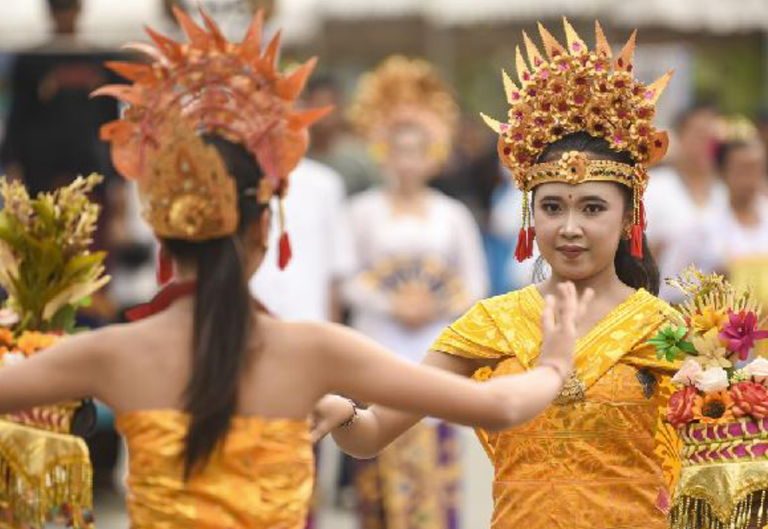
Gamelan performances, traditional percussion, ceremonial chanting, and regional dances may be incorporated into important cultural events.
Some performances are forms of artistic celebration, while others fulfill specific religious or ritual responsibilities.
Understanding these differences is important because not every ceremonial performance is intended primarily for entertainment.
The Role of Family and Community in Traditional Ceremonies
Traditional ceremonies remain important social institutions in many Indonesian communities.
They bring together relatives, neighbors, community leaders, and religious figures, creating opportunities for cooperation and shared cultural expression.
Strengthening Family Relationships
Weddings, birth-related ceremonies, and funeral rituals frequently involve extended families.
The preparation process provides opportunities for relatives to reconnect and support one another.
Ceremonies can also reinforce respect between generations, particularly when elders explain traditional procedures and their meanings.
Teaching Cultural Values to Younger Generations
Children and young adults often learn traditional customs through participation rather than formal instruction.
By observing rituals and assisting with preparations, younger generations become familiar with traditional language, etiquette, music, and community responsibilities.
This process helps preserve cultural knowledge in a changing society.
Encouraging Social Cooperation
Large ceremonies frequently depend on collective participation.
Community members may assist with preparing meals, arranging ceremonial spaces, transporting materials, or welcoming guests.
These shared responsibilities demonstrate how cultural traditions can strengthen local relationships and encourage mutual support.
Indonesian Traditional Ceremonies in Modern Society
Modernization, urbanization, education, tourism, and digital technology continue to influence Indonesian ceremonial practices.
Although some rituals have changed, many communities actively maintain their traditions while adapting to contemporary circumstances.
Balancing Tradition and Modern Lifestyles
In urban areas, work schedules and financial considerations may affect how ceremonies are organized.
Some families simplify traditional procedures while retaining the elements they consider culturally or religiously essential.
Others continue elaborate ceremonies as an expression of family identity and commitment to ancestral customs.
These differences show that cultural preservation does not always require every practice to remain unchanged.
The Influence of Cultural Tourism
Traditional ceremonies attract interest from domestic and international visitors.
Cultural tourism can create opportunities for local communities to share their heritage, support traditional artists, and generate economic activity.
However, it can also create challenges when sacred rituals are treated primarily as tourist attractions.
Respectful tourism requires understanding that ceremonies are living cultural practices, not performances organized solely for visitors.
Preserving Authenticity and Community Control
The preservation of traditional ceremonies depends on the communities that practice them.
Local elders, religious leaders, cultural organizations, and younger generations all contribute to the transmission of knowledge.
Documentation, cultural education, and community-led tourism can support preservation, provided that local participants retain control over how their traditions are represented.
How Travelers Can Respect Indonesian Traditional Ceremonies
Visitors interested in Indonesian cultural traditions should approach ceremonies with curiosity, humility, and respect.
Many events welcome visitors, but certain rituals or ceremonial spaces may have restrictions.
Understanding Local Customs Before Attending
Travelers should learn whether a ceremony is public, private, or religiously restricted.
Local guides and community representatives can explain appropriate behavior, clothing requirements, and photography rules.
Understanding these expectations helps prevent accidental disrespect.
Dressing Appropriately
Traditional ceremonies may require modest clothing or particular ceremonial garments.
For example, some Balinese temple activities require visitors to wear a sarong and sash.
Requirements can vary, so travelers should follow local instructions rather than assume one dress code applies throughout Indonesia.
Respecting Sacred Activities
Visitors should avoid interrupting prayers, obstructing processions, or entering restricted areas.
Photography should only take place where permitted, and permission should be requested before recording sensitive or private activities.
Observing respectfully allows visitors to appreciate traditions without interfering with their meaning for participants.
Supporting Local Cultural Communities
Travelers can contribute positively by hiring knowledgeable local guides, purchasing authentic handicrafts, and supporting community-managed cultural activities.
These choices help ensure that cultural tourism benefits the people who maintain the traditions.
Why Indonesian Traditional Ceremonies Matter for Future Generations
Indonesian traditional ceremonies preserve more than historical customs. They communicate ideas about morality, relationships, identity, responsibility, and belonging.
As society changes, these ceremonies continue to provide opportunities for communities to reflect on their inherited values.
Protecting Cultural Diversity
Indonesia’s cultural diversity is one of its defining characteristics.
Preserving ceremonial traditions helps maintain distinctive regional identities within the broader national culture.
Each tradition contributes to a deeper understanding of Indonesia’s complex history and cultural development.
Maintaining Connections Between Generations
Traditional ceremonies create opportunities for elders to share knowledge with younger family members.
These interactions strengthen relationships and encourage appreciation for the experiences of previous generations.
They also help communities understand how inherited traditions can remain meaningful in contemporary life.
Encouraging Respect for Different Beliefs
Learning about Indonesian traditional ceremonies can develop appreciation for the country’s religious and cultural diversity.
Understanding the meaning behind unfamiliar practices encourages respectful engagement rather than superficial judgment.
This awareness is valuable for both Indonesian communities and international visitors.
Frequently Asked Questions About Indonesian Traditional Ceremonies
What Is the Main Meaning of Indonesian Traditional Ceremonies?
Indonesian traditional ceremonies express cultural identity, spiritual beliefs, family responsibilities, and relationships with nature. Their specific meanings vary according to the ethnic community, region, and religious tradition.
Why Are Traditional Ceremonies Important in Indonesia?
Traditional ceremonies help preserve cultural knowledge, strengthen community relationships, mark significant life events, and transmit values between generations. They also provide continuity between historical practices and modern society.
What Is the Philosophy Behind Balinese Traditional Ceremonies?
Many Balinese ceremonies are influenced by Hindu religious teachings and concepts such as Tri Hita Karana, which emphasizes harmony between humans, the divine, and nature. Individual ceremonies also have their own specific religious purposes.
What Are Some Famous Traditional Ceremonies in Indonesia?
Well-known examples include Nyepi, Galungan, and Ngaben in Bali; Sekaten, Siraman, and Mitoni in Java; Rambu Solo in Toraja; Tabuik in West Sumatra; Pasola in Sumba; and Seren Taun in Sundanese communities.
Can Tourists Attend Indonesian Traditional Ceremonies?
Tourists may attend many public ceremonies, but access depends on local customs and religious restrictions. Visitors should obtain permission where necessary, wear appropriate clothing, and follow instructions from community members.
Are Indonesian Traditional Ceremonies Still Practiced Today?
Yes. Many Indonesian communities continue to practice traditional ceremonies, although some procedures have adapted to modern lifestyles. Religious organizations, families, cultural groups, and local communities play important roles in keeping these traditions alive.
Conclusion
Exploring Indonesian traditional ceremonies meaning and philosophy reveals the remarkable depth of Indonesia’s cultural heritage. These ceremonies represent more than religious observances or community celebrations. They express fundamental values such as gratitude, respect for ancestors, cooperation, spiritual responsibility, and harmony with the natural environment.
From Bali’s reflective Nyepi observance and Java’s meaningful family rituals to the Toraja people’s elaborate funeral traditions and Sumba’s agricultural ceremonies, Indonesia offers an extraordinary variety of cultural practices.
Each tradition reflects the history and beliefs of the community that maintains it, demonstrating how cultural diversity contributes to the identity of the Indonesian archipelago.
Through discoverindonesianow, readers can continue exploring Indonesia’s traditions, destinations, and cultural philosophies while developing a deeper understanding of the communities that preserve this remarkable heritage.


One Comment